Manage Essential HR Activities In One Place
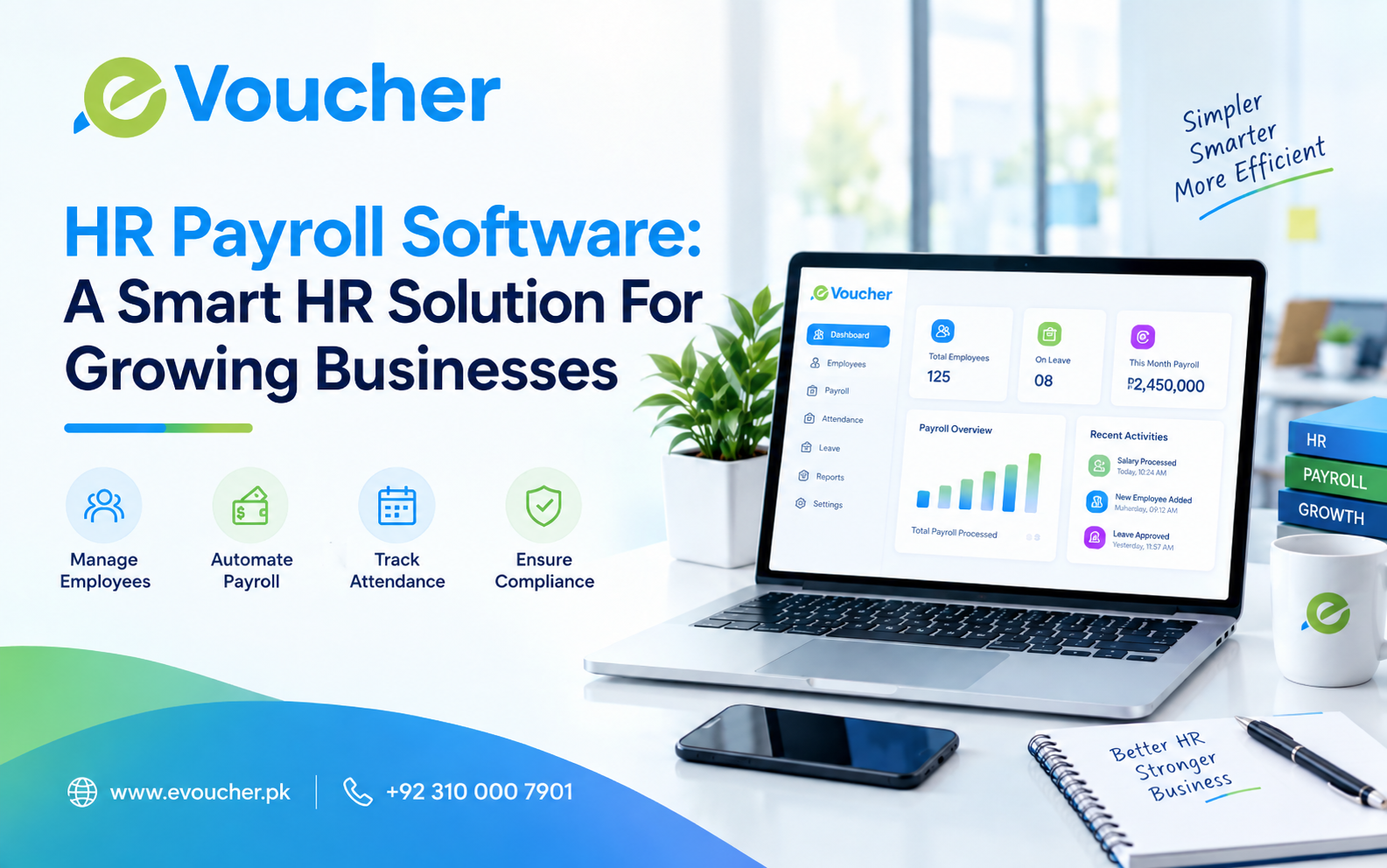
Evoucher offers key workforce management features designed to help businesses organize employee information and simplify everyday HR operations.
1. Centralized Employee Data
Keep Employee Records Organized
Maintaining accurate employee information is essential for effective HR management. Centralized employee data helps businesses organize workforce information in a structured way instead of relying on scattered documents and multiple spreadsheets.
An organized employee database can make it easier for authorized staff to find relevant information, maintain records, and support routine HR activities.
For growing businesses, centralized records provide a more practical foundation for workforce administration.
2. Attendance Monitoring
Improve Attendance Visibility
Attendance monitoring helps businesses maintain organized records of employee attendance. This information can support HR teams when reviewing attendance patterns and preparing payroll-related records.
A structured attendance process can also reduce confusion caused by inconsistent manual recordkeeping.
By improving visibility into attendance information, businesses can manage routine workforce administration more efficiently.
3. Leave Management
Organize Employee Leave Records
Managing employee leave requests and balances can become difficult when records are spread across different files. A structured leave management process helps businesses keep leave information organized and easier to review.
HR teams can use organized leave records to support workforce planning, maintain consistency, and coordinate employee absences more effectively.
Clear leave records can also help reduce misunderstandings between employees, managers, and HR staff.
4. Payroll Automation
Make Salary Processing More Efficient
Payroll automation helps businesses simplify repetitive activities involved in preparing employee salaries. By organizing payroll-related information and reducing unnecessary manual steps, businesses can work toward a more consistent payroll process.
Accurate employee records, attendance information, and leave data can all be important when preparing payroll.
Businesses should still review payroll calculations and verify applicable deductions, tax requirements, and other statutory obligations before finalizing salaries. The precise automation capabilities available depend on the software configuration and supported features.
5. Performance Evaluation
Support Employee Development
Performance evaluation helps organizations review employee progress and understand workforce performance. A structured evaluation process can help managers identify strengths, recognize development needs, and support more informed performance discussions.
When performance information is organized, businesses can establish clearer evaluation practices and connect employee development with organizational goals.
Regular evaluations can also encourage communication between managers and employees.
6. Business Intelligence Reports
Turn Workforce Information into Insights
Business intelligence reports help businesses review organized information and identify useful patterns. HR reports can support decision-making by making workforce data easier to understand.
Depending on the reports available, businesses may review employee information, attendance records, leave activity, or other workforce-related indicators.
Clear reporting can help managers identify administrative gaps, review workforce trends, and make better-informed operational decisions.


.jpg)